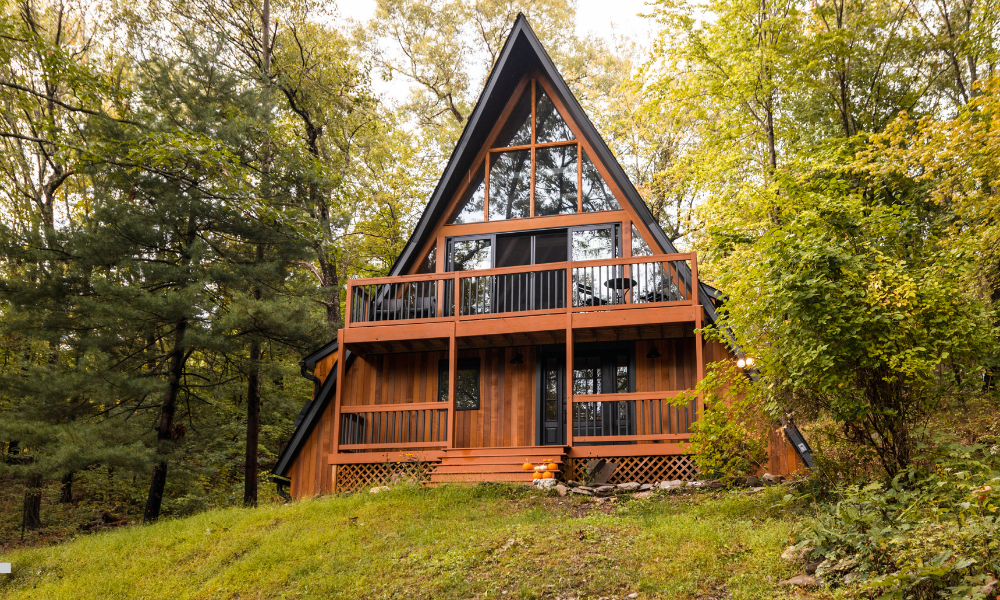





The Most Common Places We Find Dry Rot During Marin County Home Inspections
Dry rot is one of the most common and potentially expensive forms of wood deterioration affecting homes in Marin County. From hillside properties in Mill Valley to older homes in San Rafael and coastal residences in Sausalito, wood decay can develop in areas homeowners rarely see or inspect.
Marin County’s combination of seasonal rainfall, coastal moisture, shaded landscapes, and aging residential construction creates conditions where moisture-related wood damage can become a persistent problem. Even homes that appear well-maintained from the outside may have concealed deterioration beneath decks, around windows, or within structural framing.
At Victor Construction & Engineering (VCE), we understand how local building conditions contribute to wood damage and why identifying the source of moisture is just as important as repairing the deteriorated material.
This guide explores the areas where dry rot is commonly discovered during Marin County home inspections, the warning signs homeowners should recognize, and what it takes to make repairs that last.
What Causes Dry Rot in Marin County Homes?
Despite its name, dry rot is caused by fungi that require moisture to develop. In residential construction, the term is often used broadly to describe fungal wood decay, including damage caused by different types of wood-decaying fungi.
Wood becomes vulnerable when moisture persists long enough to support fungal growth. Poor drainage, leaking plumbing, damaged flashing, inadequate ventilation, and direct exposure to rain can all contribute.
Several conditions make Marin County homes particularly susceptible:
Seasonal winter rainfall: Repeated wetting can expose weaknesses in roofs, siding, decks, and exterior connections.
Coastal humidity and fog: Moisture can evaporate more slowly in shaded or poorly ventilated locations.
Hillside construction: Sloped properties may experience concentrated runoff, drainage challenges, and moisture accumulation near foundations.
Mature landscaping: Trees and dense vegetation can limit sunlight and airflow around exterior wood.
Older construction: Aging waterproofing systems, deteriorated sealants, and outdated construction details may allow water to reach vulnerable framing.
According to the USDA Forest Products Laboratory’s Wood Handbook, controlling moisture is fundamental to preventing fungal wood decay.
The important distinction is that dry rot is not simply an age-related problem. It is usually evidence of a moisture condition that needs to be corrected.
1. Deck Framing, Support Posts, and Ledger Boards
Elevated decks are particularly vulnerable because they are continuously exposed to weather while relying on structural connections that may be difficult to inspect.
In Marin County, decks are common on hillside homes, where they provide outdoor living space above sloped terrain. These structures may have multiple levels, exposed support posts, and connections to the home’s framing.
Where Damage Commonly Develops
Deck ledger boards attached to the house
Joist ends and beam connections
Tops and bases of wooden support posts
Areas beneath deteriorated deck flashing
Connections where water becomes trapped between adjoining wood members
Stair stringers and exterior stair landings
One of the most concerning locations is the deck ledger board, which connects the deck to the house. When flashing is missing, damaged, or improperly installed, water can enter behind the ledger and deteriorate both the ledger and adjacent building framing. Damage may remain concealed until decking or siding is removed.
Warning Signs
Homeowners should look for soft or splintering wood, dark discoloration, loose connections, sagging surfaces, and movement that was not previously present.
Because deck deterioration can compromise structural stability, significant damage should be evaluated before the deck continues to be used.
VCE repair consideration: Replacing visible decking alone may not address deteriorated joists, beams, ledger connections, or underlying moisture intrusion. A complete repair must account for the structural components supporting the deck.
2. Window Frames, Exterior Trim, and Window Sills
Windows create openings in a building’s exterior weather barrier. When water penetrates these openings, it can collect in surrounding wood and cause deterioration.
Older Marin County homes may have original wood windows, aging exterior trim, or window installations that have undergone multiple rounds of painting and caulking.
Where Damage Commonly Develops
The most vulnerable locations include lower window corners, horizontal sills, joints between trim boards, and the framing beneath window openings.
Water intrusion may also occur when head flashing or other waterproofing details fail, allowing moisture to enter the wall assembly.
A window can appear functional while the surrounding wood deteriorates.
Warning Signs
Paint bubbling or peeling around window frames
Soft wood at lower corners
Gaps between trim and siding
Interior staining beneath windows
Swollen or distorted wooden components
Repeated caulking failures
VCE repair consideration: The appropriate repair depends on how far deterioration extends. Localized trim damage may be repairable without major reconstruction, while decay involving window framing, sheathing, or structural members may require opening the wall.
3. Exterior Siding and the Wood Framing Behind It
Exterior siding is designed to protect the building, but its effectiveness depends on proper installation, flashing, drainage, and maintenance.
Wood siding is particularly vulnerable at joints, penetrations, and locations where water repeatedly contacts the material.
In Marin County, damage may develop on shaded elevations that remain damp longer after rain or fog.
Common Problem Areas
Bottom edges of siding near soil or paving
Siding joints and end-grain connections
Areas around hose bibs, vents, and utility penetrations
Walls beneath roof drainage problems
Locations where landscaping contacts siding
Wall-to-deck intersections
A recurring concern is deterioration hidden behind siding.
When moisture penetrates the exterior cladding, it can damage sheathing and framing without immediately producing visible interior symptoms.
Why Surface Repairs Sometimes Fail
Painting or replacing an individual siding board may temporarily improve appearance, but it does not necessarily resolve the water intrusion responsible for the damage.
For example, replacing deteriorated siding without correcting improperly installed flashing may allow moisture to continue reaching the framing.
VCE repair consideration: Repairs should distinguish between isolated siding deterioration and damage involving the underlying wall assembly. The latter may require selective demolition, framing repairs, and restoration of the weather-resistant barrier.
4. Roof Eaves, Fascia Boards, and Rafter Tails
Roof edges are another frequent location for moisture-related wood deterioration. Fascia boards, soffits, and exposed rafter tails can experience repeated wetting from rainfall, overflowing gutters, and roof drainage problems.
Why These Areas Are Vulnerable
Water running off a roof should be directed away from vulnerable wooden components. When gutters become clogged or roof-edge flashing fails, water may repeatedly contact fascia boards and the ends of structural framing.
Exposed rafter tails are especially susceptible when their protective coatings deteriorate.
Over time, moisture can penetrate the end grain and promote decay.
Warning Signs
Look for sagging gutters, peeling paint along the roofline, darkened wood, visibly deteriorated rafter ends, or recurring staining beneath the eaves.
VCE repair consideration: Repairs may involve fascia replacement, rafter-tail repairs, or more extensive framing work. Correcting gutter drainage and roof-edge waterproofing is essential to preventing the problem from returning.
5. Crawl Spaces, Floor Joists, and Subfloor Framing
Crawl spaces are among the most important areas to evaluate because significant wood deterioration can develop beneath the living space without obvious exterior warning signs.
Many Marin County homes have raised foundations, and some hillside properties contain crawl spaces with varying ground clearances and challenging access conditions.
Common Sources of Moisture
Plumbing leaks beneath kitchens and bathrooms
Ground moisture entering the crawl space
Poor site drainage near the foundation
Inadequate or obstructed ventilation
Water intrusion through foundation openings
Persistent moisture beneath low-clearance framing
Structural Components at Risk
Wood decay may affect floor joists, rim joists, subflooring, beams, posts, and sill plates. These components help transfer loads from the living space to the foundation. When deterioration becomes extensive, floors may begin to sag, feel uneven, or exhibit unusual movement. However, significant decay can also exist without noticeable floor movement.
Why Marin County Hillside Homes Deserve Special Attention
Hillside properties may experience water moving through the soil toward the foundation. If drainage systems are inadequate, water can collect beneath or alongside the structure.
In these cases, repairing the damaged framing without addressing site drainage may leave the underlying problem unresolved.
VCE repair consideration: Crawl-space repairs may require structural wood replacement, improved drainage, moisture control, and evaluation of adjacent foundation conditions.
6. Bathrooms, Kitchens, and Laundry Rooms
Not all dry rot originates outdoors. Interior plumbing leaks can cause concealed deterioration, particularly when moisture remains trapped beneath flooring or behind cabinets.
Common Locations
Subflooring around toilets
Framing beneath showers and bathtubs
Floors around washing machines
Cabinet bases beneath sinks
Walls containing plumbing supply and drain lines
Areas surrounding improperly waterproofed shower enclosures
Bathroom floor deterioration is especially common near toilets where failed wax rings or other seal problems allow water to enter the subfloor.
Warning Signs
Soft flooring, loose tiles, recurring staining, swollen baseboards, and persistent musty odors can indicate hidden moisture damage.
In some cases, the visible floor covering remains intact while the subfloor deteriorates.
VCE repair consideration: Repairing concealed wood decay may require removing finished surfaces to expose affected framing. Waterproofing or plumbing defects should be corrected before the floor or wall is reconstructed.
7. Exterior Stairs, Landings, and Entryways
Exterior stairs and landings are exposed to many of the same moisture conditions as decks, but their smaller size can make deterioration easier to overlook.
Wooden stairways may be attached to the home, supported by posts, or constructed against retaining walls and sloped landscaping.
Common Problem Areas
Stair stringers near the ground
Wooden landing framing
Connections between stairs and exterior walls
Post bases and supporting beams
Stair treads where water accumulates
Areas beneath damaged waterproofing membranes
Water trapped between stair components can create persistent moisture exposure.
Because stairways experience concentrated foot traffic, deterioration can become a safety concern even when the affected area is relatively small.
VCE repair consideration: Repairs should evaluate the entire stair assembly, including load-bearing connections and support conditions, rather than focusing only on visibly deteriorated treads.
8. Balconies and Waterproofed Exterior Surfaces
Balconies and elevated exterior walking surfaces can develop concealed moisture damage when their waterproofing systems fail.
This is particularly important for homes with balconies constructed over occupied rooms, garages, or enclosed spaces.
Water may enter through deteriorated membranes, door thresholds, railing penetrations, or poorly detailed transitions between walls and walking surfaces.
Why Damage Can Remain Hidden
A waterproof deck coating may appear mostly intact while moisture has entered through a small opening.
Once water reaches the underlying wood sheathing or framing, deterioration may progress beneath the finished surface.
Interior ceiling stains beneath a balcony can be an important warning sign, although damage may develop before staining becomes visible.
VCE repair consideration: Repairs may require removal of waterproofing materials, replacement of damaged wood, correction of drainage slopes, and installation of a properly integrated waterproofing system.
California also has specific inspection requirements for certain exterior elevated elements in qualifying multifamily buildings. Property owners should determine whether applicable requirements, including those associated with California Civil Code Section 5551 or Health and Safety Code Section 17973, apply to their property.
These requirements are distinct from routine residential maintenance inspections.
9. Foundation Mud Sills and Rim Joists
One of the most consequential locations for dry rot is where a home’s wooden framing meets its foundation.
The mud sill, also called a sill plate, is the horizontal framing member resting on top of the foundation. It helps connect the building’s wood framing to its foundation.
When water accumulates at this connection, deterioration can affect the mud sill, adjacent rim joists, and other structural components.
Why This Location Matters
A deteriorated mud sill can compromise the connection between the house and its foundation. This is particularly important in earthquake-prone areas such as Marin County, where secure foundation connections are an essential part of seismic performance.
VCE has encountered this type of damage in actual projects. In our The Complete Package project, deteriorated foundation mud sill framing was discovered during remodeling work. The repair involved lifting the house, replacing damaged structural framing, and completing earthquake retrofit improvements, including foundation bolts and tie-downs. This illustrates why seemingly localized wood deterioration can sometimes reveal a larger structural issue.
VCE repair consideration: Mud sill deterioration may require temporary structural support, replacement framing, and evaluation of existing foundation connections. When appropriate, homeowners can also consider coordinating the work with seismic improvements.
Which Dry Rot Locations Should Homeowners Prioritize?
Not every area of wood deterioration represents the same level of risk. The urgency depends on the extent of decay, the loads supported by the affected wood, and whether the moisture source remains active.
Location | Primary concern | Recommended action |
|---|---|---|
Deck ledgers and supports | Potential structural failure | Prompt professional evaluation |
Mud sills and foundation framing | Compromised structural connections | Structural assessment |
Floor joists and beams | Reduced floor support | Evaluate framing and moisture |
Exterior stairs and balconies | Unsafe walking surfaces | Inspect before continued use if unstable |
Window trim and siding | Concealed water intrusion | Investigate and repair |
Fascia and roof edges | Continued water damage | Correct drainage and assess decay |
Bathroom subfloors | Concealed deterioration | Repair leak and evaluate subfloor |
These are general priorities, not a substitute for evaluating actual site conditions.
A Seasonal Dry Rot Inspection Checklist for Marin County Homeowners
The best time to discover a moisture problem is before it develops into extensive structural damage. Homeowners can use this checklist to identify areas that deserve attention before and after the rainy season.
Home inspection progress
0 of 9 checked
Homeowners should avoid entering unsafe crawl spaces or probing potentially unstable structural members. If deterioration is suspected in a load-bearing component, professional evaluation is appropriate.
What Happens When Dry Rot Is Discovered?
Finding deteriorated wood does not automatically mean a home needs extensive reconstruction. The appropriate repair depends on the severity of the damage and whether structural framing has been affected. A thorough approach generally involves four stages:
Identify the moisture source. Determine whether the problem originates from drainage, plumbing, flashing, waterproofing, or another condition.
Evaluate the extent of deterioration. Inspect accessible materials and open concealed areas when necessary to establish the full repair scope.
Repair or replace damaged wood. Restore affected materials and structural components using methods appropriate to the building.
Prevent recurring moisture exposure. Correct the underlying problem through drainage improvements, waterproofing, flashing repairs, or other necessary measures.
VCE’s dry rot repair services address both damaged wood and contributing moisture conditions, including structural framing repairs and moisture-control improvements.
Schedule a Marin County Dry Rot Inspection With Victor Construction & Engineering
Dry rot often develops in places homeowners cannot easily see. By the time damage becomes visible around a deck, window, crawl space, or foundation, surrounding materials may already be affected.
Victor Construction & Engineering provides residential dry rot repair in Marin County, helping homeowners identify deterioration, address moisture problems, and restore damaged structural components.
With more than 30 years of experience serving Marin County and San Francisco, VCE specializes in dry rot repair, foundation repair, structural remodeling, and earthquake retrofitting.
Whether you are concerned about a deteriorating deck, damaged window framing, or hidden moisture beneath your home, early evaluation can help prevent a manageable problem from becoming a major repair project.
Contact Victor Construction & Engineering or call (415) 472-9144 to discuss dry rot damage and schedule an evaluation of your Marin County home.