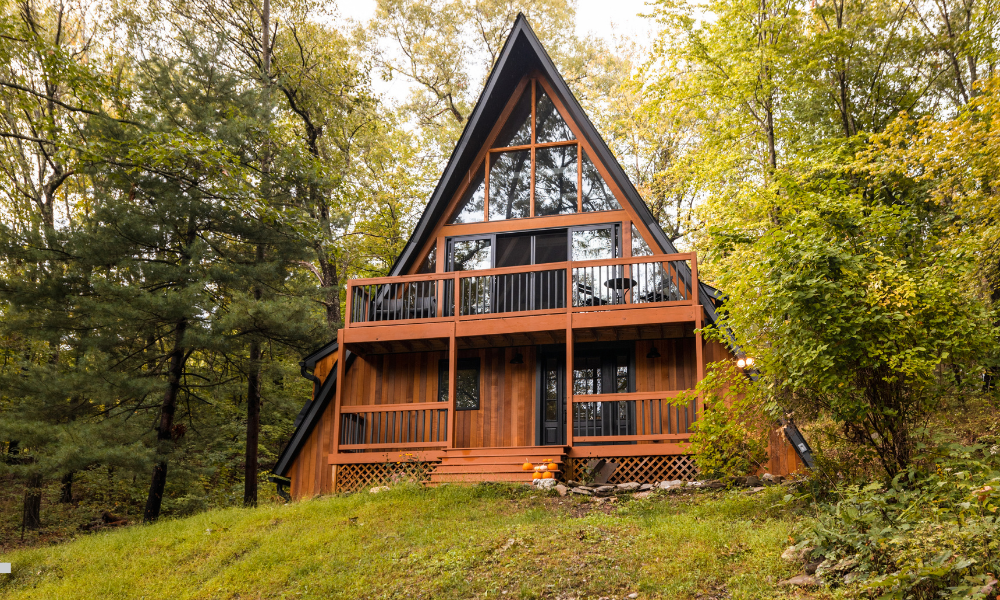
The Annual Home Maintenance Checklist That Helps Prevent Dry Rot
Owning a home in the San Francisco Bay Area comes with unique maintenance challenges. Coastal fog, seasonal rain, fluctuating temperatures, and aging housing stock all create ideal conditions for moisture intrusion. And where moisture exists, dry rot can follow.
Despite its name, dry rot isn’t caused by dry conditions at all. It’s a fungal decay that develops when wood remains damp for extended periods. Left untreated, dry rot can weaken structural framing, damage siding, compromise windows and doors, and lead to costly repairs.
The good news is that most dry rot problems begin as small maintenance issues that can be identified before significant damage occurs. By performing a thorough home inspection at least once a year, homeowners can often catch the warning signs early and protect their investment.
This annual home maintenance checklist will help you reduce the risk of dry rot and know when it’s time to call a professional for dry rot repair in the Bay Area.
Why Dry Rot Is So Common in the Bay Area
The Bay Area’s climate creates the perfect environment for moisture-related wood decay.
Several local factors contribute to dry rot, including:
Winter rainstorms
Coastal fog and humidity
Aging wood siding
Older window installations
Stucco and flashing failures
Poor drainage around foundations
Deferred home maintenance
Homes in San Francisco, Marin County, Oakland, Berkeley, San Mateo, and surrounding communities often contain original wood framing that has been exposed to decades of weather. Even small leaks can eventually allow fungi to begin breaking down structural wood. Routine inspections are one of the most effective ways to prevent expensive dry rot repair.
Your Annual Dry Rot Prevention Checklist
Inspect Your Roof
Your roof is your home’s first line of defense against moisture.
At least once a year, look for:
Missing or damaged shingles
Cracked flashing
Loose ridge caps
Debris collecting in roof valleys
Signs of sagging
Moss growth
Water entering through the roof often travels before becoming visible, meaning dry rot may already be developing inside walls or ceilings. If you notice staining indoors or suspect a roof leak, address it immediately.
Clean Gutters and Downspouts
Clogged gutters are one of the most common causes of moisture damage. Overflowing water can soak:
Make sure gutters are cleaned regularly and verify that downspouts direct water several feet away from your home’s foundation.
Examine Exterior Wood Trim
Walk around your home and carefully inspect all exposed wood. Pay close attention to:
Fascia boards
Window trim
Door frames
Corner boards
Deck supports
Porch posts
Look for:
Peeling paint
Soft wood
Cracks
Discoloration
Fungal growth
Wood that crumbles under light pressure
These are often early signs of dry rot.
Check Windows and Doors
Windows are among the most common locations for dry rot.
Inspect:
Window sills
Window trim
Caulking
Flashing
Door thresholds
Small gaps around windows allow water to penetrate behind siding where wood framing remains hidden for years. If windows become difficult to open or close, moisture damage may already be affecting surrounding framing.
Even tiny openings allow repeated moisture intrusion over time. Prompt repairs help prevent much larger structural issues.
Look Beneath Decks and Stairs
Deck framing is frequently overlooked. Inspect:
Joists
Beams
Ledger boards
Rail posts
Stair stringers
Because these components experience repeated weather exposure, they often develop moisture problems first. Any soft wood or loose fasteners deserve immediate attention.
Check Crawlspaces
Many Bay Area homes have crawlspaces that homeowners rarely enter.
Inspect for:
Standing water
Damp soil
Condensation
Mold
Water stains
Wood discoloration
Poor ventilation and plumbing leaks frequently create ideal conditions for dry rot beneath the home.
Inspect Plumbing
Even small plumbing leaks can create significant wood damage. Check for water stains or musty odors around:
Bathrooms
Kitchens
Water heaters
Laundry rooms
Utility sinks
Address leaks immediately before structural wood becomes affected.
Seal Gaps Around the Home
Inspect all exterior penetrations, including:
Utility lines
Hose bibs
Outdoor lighting
Dryer vents
Pipes
Replace deteriorated caulk and seal openings where moisture can enter. This simple maintenance task significantly reduces water intrusion.
Keep Landscaping Away from Wood
Plants may look attractive against a home, but they often trap moisture.
Trim back:
Shrubs
Ivy
Tree branches
Groundcover
Maintain several inches of clearance between vegetation and wood siding whenever possible. Proper airflow helps wood dry after rain.
Watch for Poor Drainage
Water should always flow away from your home.
Inspect for:
Standing water
Soil erosion
Negative grading
Blocked drains
Improving drainage helps protect foundations, siding, and structural framing.
Repaint and Seal Wood Surfaces
Paint serves as an important moisture barrier.
Inspect painted wood annually.
If you notice:
Peeling
Bubbling
Cracking
Bare wood
Repair the surface promptly. Protective coatings dramatically extend the lifespan of exterior wood.
Don’t Ignore Small Warning Signs
Dry rot rarely begins with major structural damage. Common early symptoms include:
Musty odors
Soft wood
Bubbling paint
Discoloration
Cracked caulk
Sticking windows
Doors that no longer close properly
Addressing these issues early often prevents extensive repairs later.
When Should You Call a Dry Rot Specialist?
Some maintenance issues can be handled by homeowners. However, professional evaluation is recommended if you notice:
Soft structural wood
Extensive fungal growth
Recurring leaks
Water intrusion around windows
Large areas of damaged siding
Sagging decks or balconies
Structural movement
An experienced contractor can determine how far the damage extends and recommend the appropriate repairs.
Why Professional Dry Rot Repair Matters
Dry rot often spreads beyond what is visible from the outside. Simply replacing damaged trim without correcting the source of moisture usually results in the problem returning. Professional dry rot repair involves identifying moisture sources, removing decayed wood, repairing structural framing, and replacing damaged materials. Addressing both the damage and its underlying cause provides a long-term solution.
Protect Your Home Year After Year
A yearly maintenance inspection is one of the best investments you can make in your home. Spending a few hours inspecting your roof, windows, siding, crawlspace, and other vulnerable areas can help prevent expensive repairs and extend the life of your home. If you suspect dry rot, don’t wait until the damage spreads. Early intervention is almost always less costly than major structural repairs.
Contact Victor Construction & Engineering
If you’ve noticed signs of dry rot or want a professional evaluation of your home’s exterior, Victor Construction & Engineering is here to help. Our experienced team specializes in Marin County dry rot repair, structural repairs, window replacement, and exterior restoration. We’ll identify the source of the problem, recommend the right repairs, and help protect your home for years to come.
Dry rot is caused by fungi that thrive in damp wood. Moisture from roof leaks, plumbing leaks, failed flashing, poor drainage, or damaged siding creates the conditions needed for the fungus to grow.
How often should I inspect my home for dry rot?
A comprehensive inspection should be performed at least once each year, with additional checks after major storms or unusually wet winters.
Can dry rot spread?
Yes. As long as moisture remains present, dry rot fungi can continue spreading to adjacent wood, increasing the extent and cost of repairs.
Can I repair dry rot myself?
Minor cosmetic issues may be manageable, but structural dry rot should always be evaluated by a qualified contractor to ensure all damaged wood and moisture sources are properly addressed.
What areas of a home are most vulnerable?
Common problem areas include windows, doors, roof edges, fascia boards, decks, balconies, siding, crawlspaces, and anywhere water can enter or become trapped.