




San Francisco & Marin County ADU Regulations Explained (Size, Permits, Zoning, Setbacks)
Accessory dwelling units have become an increasingly important part of the Bay Area housing landscape. For homeowners, an ADU can create space for aging parents, adult children, guests, a home office, or a long-term rental while making better use of an existing property.
But planning an ADU in San Francisco or Marin County requires more than finding enough room in the backyard. California has established statewide protections that make it easier to build accessory dwelling units, while San Francisco and Marin County have their own permitting procedures, zoning requirements, building standards, and site-specific considerations.
For homeowners considering ADU construction in Marin County or San Francisco, understanding the rules early can help determine what is feasible before significant time and money are invested in design.
Here is what Bay Area property owners should know about ADU size limits, permits, zoning, setbacks, height requirements, and the approval process.
What Is an ADU?
An accessory dwelling unit (ADU) is an independent residential unit located on the same property as another residential building. You may also hear ADUs called:
- Granny flats
- In-law units
- Backyard cottages
- Secondary dwelling units
- Garage apartments
- Casitas
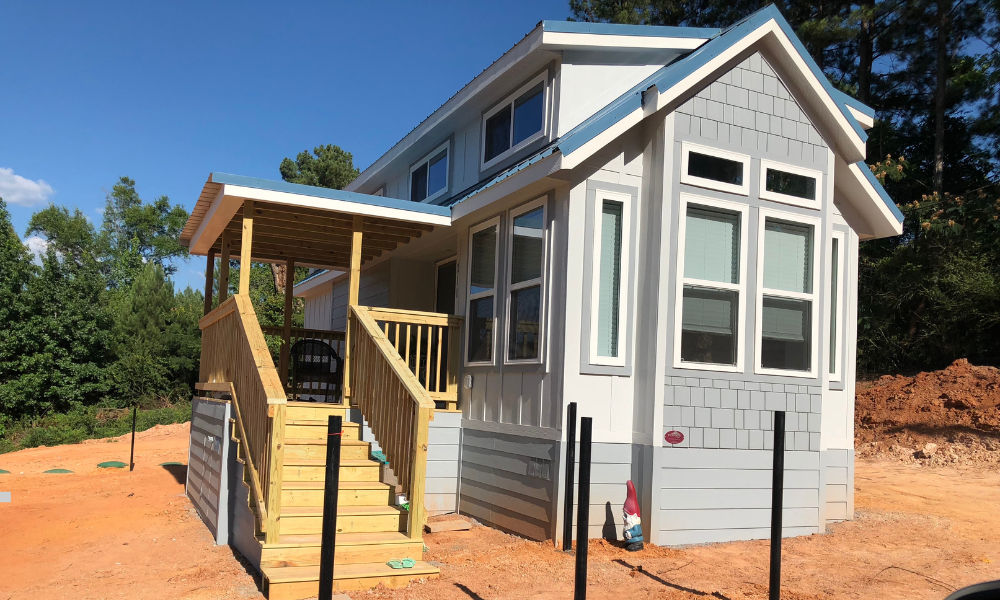
California recognizes several common configurations, including detached ADUs, attached ADUs, and ADUs created by converting existing space within a home or accessory structure. A detached backyard cottage is therefore only one possibility. Depending on the property, homeowners may be able to convert a garage, remodel existing space, build an addition, or construct a separate dwelling.
A Junior Accessory Dwelling Unit (JADU) is another option available on qualifying properties. JADUs are smaller units subject to their own requirements under California law.
California ADU Laws Establish Important Baseline Rules
Before looking at San Francisco ADU regulations or Marin County ADU requirements, it is important to understand California’s statewide rules. California has repeatedly revised its ADU laws to remove local barriers to construction. Current state law significantly limits the development standards cities and counties can impose on qualifying ADUs.
For example, California generally prevents local governments from:
- Establishing a minimum lot size for an ADU
- Requiring side or rear setbacks greater than four feet for qualifying new-construction ADUs
- Limiting ADUs to less than 850 square feet for a studio or one-bedroom unit or 1,000 square feet for an ADU with more than one bedroom
- Requiring more than one parking space per ADU
- Requiring ADU parking in several situations specified by state law
- Requiring replacement parking when a garage, carport, or other covered parking structure is demolished or converted to create an ADU
State law also protects the ability to construct at least an 800-square-foot ADU with four-foot side and rear setbacks despite certain local restrictions involving lot coverage, floor-area ratio, open space, front setbacks, and minimum lot size, provided the project complies with other applicable standards.
These rules are especially important in the Bay Area, where smaller and unusually shaped lots can otherwise make residential additions challenging.
How Big Can an ADU Be in California?
There is no single maximum ADU size that applies to every California project. The answer depends on the type of ADU, local regulations, the number of bedrooms, the existing property, and which provisions of state law apply.
However, local governments generally cannot establish a maximum ADU size below:
- 850 square feet for a studio or one-bedroom ADU
- 1,000 square feet for an ADU containing more than one bedroom
State law also provides important protections for an ADU of up to 800 square feet, helping homeowners build qualifying units even where ordinary lot coverage, floor-area ratio, open-space, or similar development standards might otherwise prevent one.
That does not mean every property automatically qualifies for every ADU configuration. Site conditions, fire safety, building codes, environmental requirements, utilities, coastal regulations, and other factors may still affect a project.
San Francisco ADU Regulations
Building an ADU in San Francisco can look very different from building one on a larger suburban property. San Francisco ADUs are frequently created by converting or reconfiguring existing portions of buildings. Other projects may involve additions or new detached structures.
The city’s Department of Building Inspection notes that ADUs must satisfy building, planning, and fire-code requirements. Most projects require architectural plans, and most ADU plans must be signed and stamped by a licensed design professional, although certain smaller wood-framed residential buildings may qualify for an exception.
San Francisco ADU Minimum Size and Interior Requirements
San Francisco’s current ADU design guidance states that an ADU generally must contain at least 220 square feet. The city also establishes detailed habitability requirements. For example, its current guidance specifies that:
- Hallways and living and sleeping areas generally require at least a 7.5-foot ceiling height.
- Bathrooms, kitchens, storage rooms, and laundry areas may generally have 7-foot ceilings.
- Habitable rooms generally need adequate natural light and ventilation.
- ADUs need an independent entrance.
- Fire-safety requirements apply to exits, escape and rescue openings, and emergency access.
Depending on the project, these requirements can become just as important as the maximum allowable square footage.
A basement or ground-floor area may look large enough for an ADU on paper, for example, but ceiling height, windows, exits, structural conditions, utilities, and fire separation can change what is practical.
San Francisco ADU Permits
Homeowners should expect a San Francisco ADU permit to involve detailed plans demonstrating compliance with applicable building, planning, and fire requirements. The process generally begins with determining the proposed ADU configuration and preparing architectural drawings. Plans may then be reviewed by multiple City departments for compliance with the codes applicable to the property and project.
Plans may need to document items such as:
- Property lines
- Existing and proposed construction
- Adjacent structures
- Building dimensions
- Setbacks
- Entrances and exits
- Windows and natural light
- Fire-safety features
- Plumbing
- Electrical systems
- Mechanical systems
San Francisco’s requirements can also vary depending on whether the property is a single-family home or multifamily building and whether the owner is using the City’s State or Local ADU pathways. For that reason, a homeowner researching how to build an ADU in San Francisco should avoid assuming that a design that worked on another property will automatically work on theirs.
San Francisco ADU Utility Requirements
Utilities can have a major effect on ADU design and construction costs. San Francisco’s current guidance notes that independent electrical wiring is required for each unit. New detached, free-standing ADUs cannot have new gas appliances and therefore need to be designed as all-electric units. Fire sprinklers, fire alarms, water capacity, and other utility upgrades may also be required in certain projects.
An experienced San Francisco ADU contractor can help identify these issues while the project is still in the planning phase rather than after plans have already been developed around an impractical layout.
Marin County ADU Regulations
For Marin County ADU construction, the first question is often which jurisdiction controls the property. Marin County’s Development Code applies to unincorporated Marin County. Properties located within incorporated municipalities can be subject to the ADU requirements and permitting procedures of that individual city or town. That distinction matters. An ADU project in unincorporated Mill Valley, for example, may not follow exactly the same local process as a property within the incorporated City of Mill Valley. Homeowners should therefore confirm the property’s jurisdiction before relying on a particular set of Marin County ADU rules.
How Big Can an ADU Be in Marin County?
Marin County’s Development Code provides multiple pathways for ADUs. For certain qualifying Category 1 ADUs on single-family properties, the County allows a new ADU of up to 800 square feet with minimum four-foot rear and side setbacks. The County’s code also provides pathways for ADUs created within existing single-family homes or existing outbuildings.
Other ADUs may qualify under Category 2 standards. For example, the County code provides that certain attached ADUs involving an addition to an existing single-family residence may reach as much as 1,200 square feet, subject to applicable limitations. The code also protects the ability to construct a one-bedroom unit of up to 850 square feet or a unit with two or more bedrooms of up to 1,000 square feet despite certain floor-area restrictions.
This is one reason homeowners should not assume that “800 square feet” is the universal Marin County ADU size limit. The allowable size depends on the specific ADU pathway and property.
What Are the Setback Requirements for an ADU in Marin County?
ADU setbacks in Marin County are often more favorable than homeowners expect. For qualifying new-construction ADUs, a key number is 4 feet. California law generally prevents jurisdictions from requiring more than a four-foot side or rear setback for qualifying ADUs. Marin County’s Category 1 standards similarly provide for four-foot minimum side and rear setbacks for qualifying 800-square-foot ADUs. Certain existing structures may also be converted to ADUs without bringing the structure into compliance with the setback standards that would apply to a completely new building.
However, setback rules should never be evaluated in isolation. A site can have additional constraints involving fire access, streams, wetlands, easements, septic systems, coastal regulations, slopes, or other conditions.
How Tall Can an ADU Be?
California ADU law also limits how restrictive local governments can be regarding ADU height limits.
State law establishes a baseline allowance of at least 16 feet for detached ADUs, with greater height allowances in certain situations. For example, qualifying detached ADUs near major transit or high-quality transit corridors can receive an 18-foot allowance, with another two feet potentially available to align the roof pitch with the primary residence. Certain detached ADUs on lots containing multistory multifamily buildings also receive an 18-foot allowance.
For attached ADUs, state law establishes additional height protections.
Marin County’s Category 1 standards are particularly notable. The County code provides for a maximum height of 18 feet above grade for certain detached ADUs, with an additional two feet potentially allowed to match the roof pitch of the primary dwelling. For certain attached ADUs, the maximum is the zoning district’s allowed height or 25 feet, whichever is greater.
Height can become especially important when designing an ADU on a sloped Marin County property.
Does Zoning Allow an ADU on My Property?
In many cases, California law strongly protects the ability to add an ADU to property where residential use is permitted. But ADU zoning requirements do not make every project identical. A site’s zoning, existing structures, environmental conditions, location, utilities, and physical characteristics can influence what can actually be constructed. In unincorporated Marin County, additional considerations may include:
- Coastal Zone requirements
- Stream Conservation Areas
- Wetland Conservation Areas
- Septic capacity
- Well-water availability
- Flood zones
- Hillside conditions
- Fire access
Marin County specifically notes that its Development Code, Local Coastal Program, Countywide Plan, and applicable community plans can all contain requirements relevant to development in unincorporated areas.
The County’s ADU standards also contain restrictions involving Stream Conservation Areas and identified Wetland Conservation Areas, subject to limited exceptions for certain conversions of existing structures.
For a Marin County ADU contractor, understanding the physical site is therefore a crucial part of determining whether a concept that looks simple on paper is actually practical.
Do You Need a Permit to Build an ADU in Marin County?
Yes. ADU construction in Marin County requires permits. Marin County classifies ADUs and JADUs among larger projects for which plans must be submitted before a building permit is issued. The County currently advises that this plan-review process can take approximately six to eight weeks, although the actual timeline for an individual project can vary depending on its complexity, completeness, required corrections, and other agency reviews.
Plans can include information concerning:
- Site layout
- Property boundaries
- Existing structures
- Proposed ADU
- Setbacks
- Floor plans
- Elevations
- Structural work
- Electrical systems
- Plumbing
- Mechanical systems
- Energy requirements
Projects involving septic systems, wells, flood zones, fire requirements, or environmentally sensitive areas can require additional review.
What About an Unpermitted Existing ADU?
Some Marin County homeowners are dealing with an entirely different situation: an ADU, converted garage, or in-law unit that already exists but was never properly permitted. Marin County currently has an ADU Legalization Program for qualifying unpermitted ADUs and JADUs constructed before January 1, 2020. Under the program, homeowners may begin with a confidential third-party inspection by a licensed contractor before proceeding with the formal legalization process. The County’s process includes preparation of plans, permit application, inspection, correction of applicable health and safety issues, and final approval.
Buying a Marin County property with an existing “in-law unit” does not necessarily mean that unit is a legal ADU. Confirming permit history and legal status can be important before remodeling, renting, or expanding the space.
Garage Conversion vs. Detached ADU vs. Attached ADU
One of the earliest design decisions is determining what type of ADU makes sense for the property.
Garage Conversion ADU
A garage conversion ADU can make use of an existing structure and may reduce the amount of new construction required. However, garages were not originally designed as living spaces, so issues such as insulation, foundations, ceiling height, moisture protection, windows, utilities, and fire safety need to be evaluated.
Attached ADU
An attached ADU addition can provide flexibility while maintaining a physical connection to the main residence. The existing home’s layout, structural system, setbacks, and available building area all affect feasibility.
Detached ADU
A detached ADU provides greater separation from the primary home and can work particularly well for rental housing, multigenerational living, or long-term flexibility. However, detached construction can involve significant site preparation, foundations, utilities, drainage, access, and exterior work. There is no universally “best” ADU type. The right choice depends on the site, budget, intended use, and long-term goals.
Can You Build an ADU on a Small Lot?
Often, yes. One of the most significant aspects of California’s current ADU laws is the protection given to qualifying ADUs on properties where ordinary zoning standards could otherwise make construction difficult.
Local agencies cannot impose a minimum lot-size requirement for an ADU. State law also protects qualifying 800-square-foot ADUs with four-foot side and rear setbacks against certain restrictions involving lot coverage, floor-area ratio, open space, and front setbacks. This can make small-lot ADU construction possible on Bay Area properties that homeowners might initially assume are too constrained. The only reliable way to know what fits, however, is to evaluate the actual property.
Can You Build an ADU in the Front Yard?
Potentially. California’s protections for an 800-square-foot ADU are significant because local development standards, including front setbacks, cannot be applied in a way that makes it impossible to build a qualifying 800-square-foot unit with four-foot side and rear setbacks while complying with other applicable standards. That does not mean every homeowner has an unrestricted right to place an ADU anywhere in the front yard. Rather, it means the complete site and applicable state and local regulations have to be evaluated together.
Why Bay Area ADU Projects Require Careful Planning
California has made ADU construction easier, but “easier to permit” does not necessarily mean “easy to build.” Bay Area properties routinely present challenges that have little to do with the basic ADU size limit. A Marin hillside property may require substantial foundation, drainage, grading, or access work. An older San Francisco building may require structural modifications, utility upgrades, fire-safety improvements, or creative space planning. A coastal Marin property can involve requirements that would not apply to a similar property elsewhere in the county.
The best ADU design therefore is not simply the largest unit the law permits. It is a design that balances usable living space, construction cost, code compliance, the existing home, site constraints, and the owner’s long-term plans.
Plan Your Bay Area ADU With Victor Construction & Engineering
An ADU can add valuable living space and flexibility to a Bay Area property, but successful construction starts with understanding what the site can support.
Victor Construction & Engineering (VCE) works with homeowners throughout Marin County and the San Francisco Bay Area on residential construction and improvement projects. From evaluating existing conditions to planning additions, conversions, and new residential space, an experienced construction team can help identify potential challenges before they become expensive surprises.
If you are considering a Marin County ADU, San Francisco ADU, garage conversion, in-law unit, attached ADU, or detached backyard ADU, contact VCE to discuss your property and construction goals.
ADU regulations change frequently and requirements vary by property and jurisdiction. This article provides general information and should not be treated as legal or permitting advice. Confirm current requirements with the applicable local agency before beginning a project.