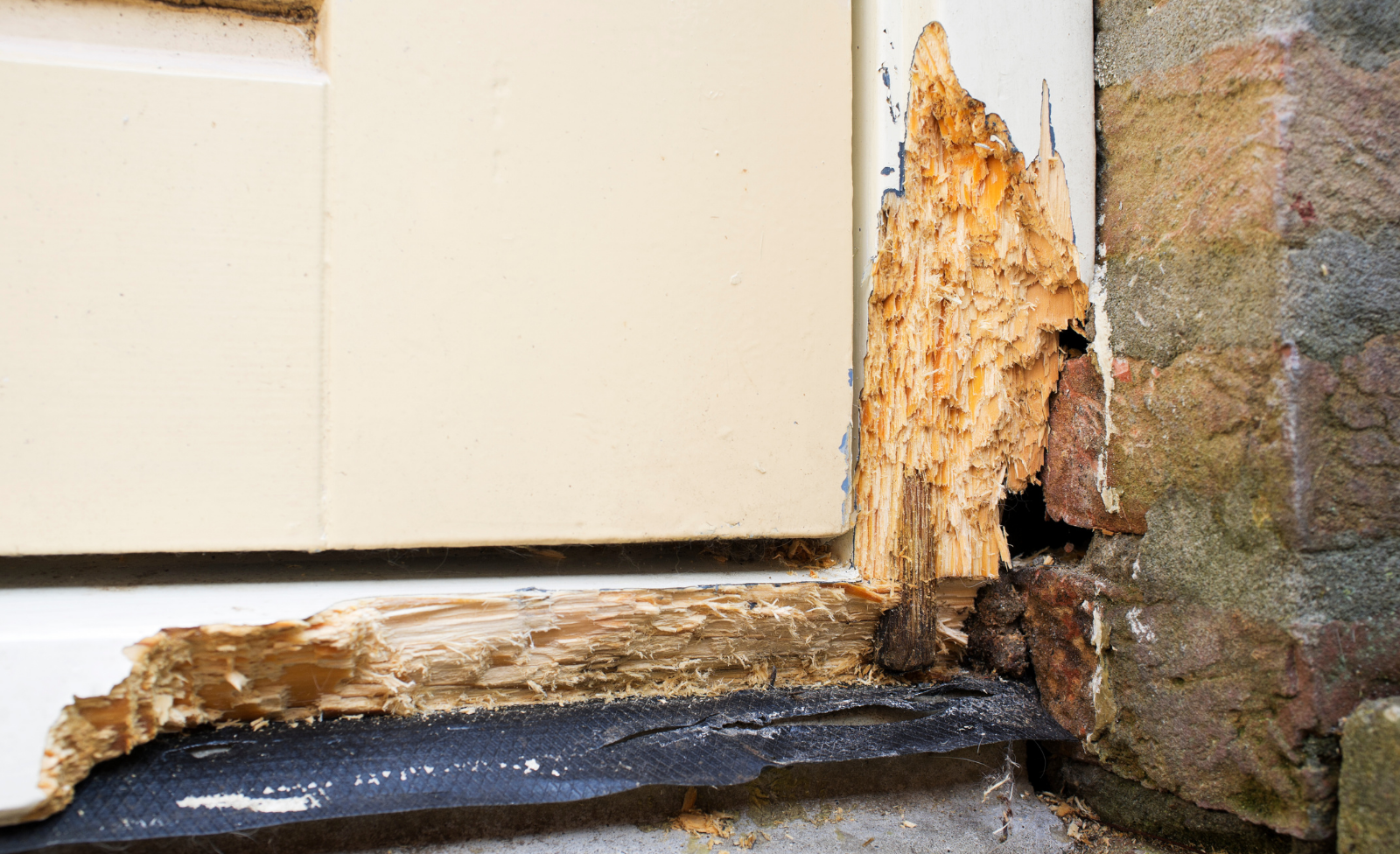
Dry rot is one of the most damaging and often overlooked structural issues homeowners face. Caused by wood-destroying fungi, dry rot thrives in damp, poorly ventilated environments and can spread quickly through timber, weakening the integrity of your home.
If left untreated, dry rot repair can cost thousands of dollars and may require extensive structural restoration. The good news is that early detection can prevent major damage. This guide will walk you through exactly where to look for dry rot in your home, the warning signs to watch for, and how to prevent it.
What Is Dry Rot and Why Is It Dangerous?
Dry rot is a type of fungal decay that breaks down wood by consuming its structural fibers. Despite the name, it requires moisture to grow and spread. Once established, it can travel through walls, behind plaster, and even across masonry to reach new timber.
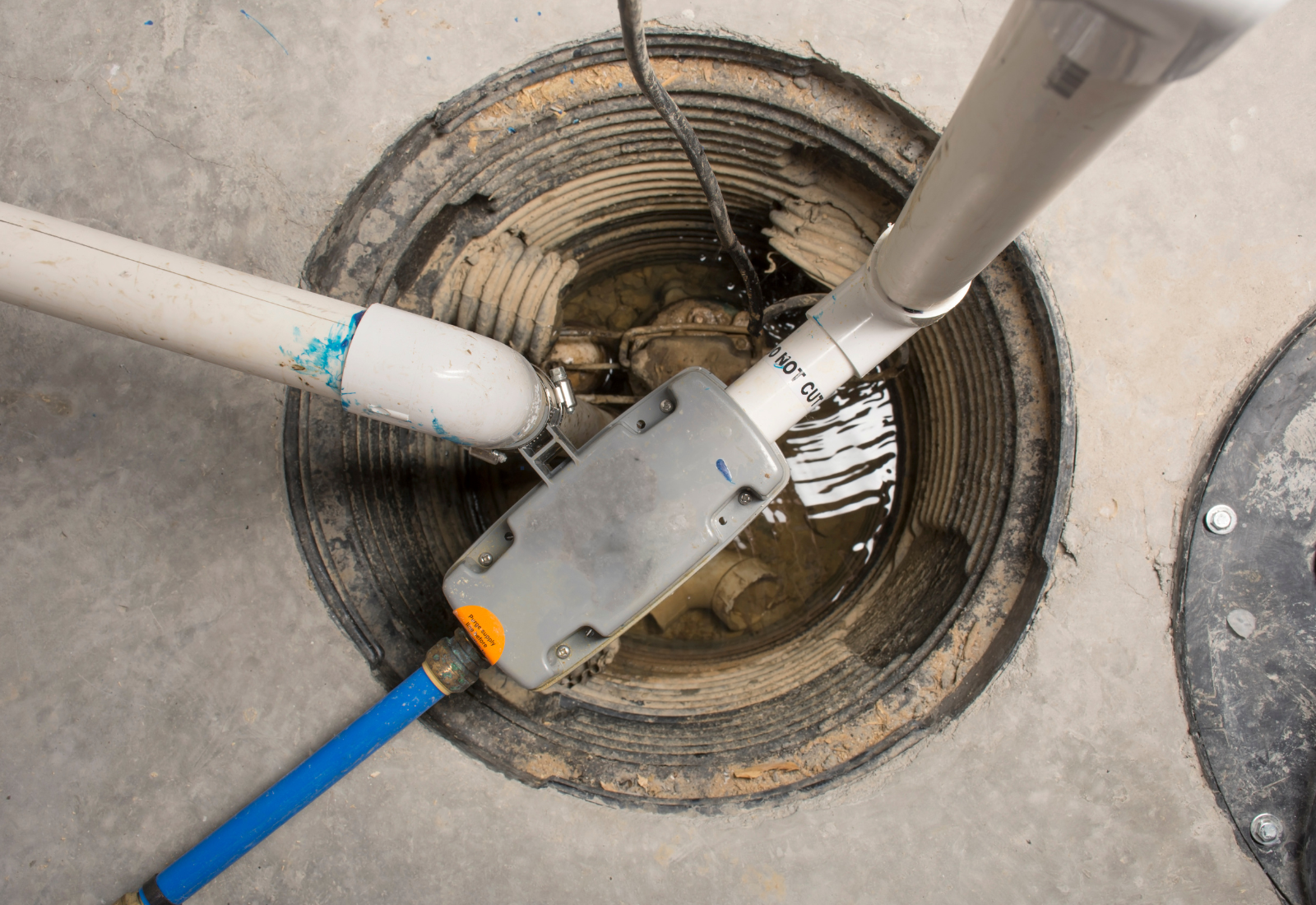
One of the most common parts of a home for dry rot damage is the basement. Basements are often damp, dark, and have the ideal moisture levels for dry rot growth. Basements often contain washing machines and are susceptible to water damage from weather events or other sources. Since many homes have basements, they must be checked regularly for any unusual smells or growths. If you notice any of the following in your basement, contact a dry rot removal service immediately:
Damp smell
Warped wood
Cracks
Standing water
Grey strands on walls
Decaying timber
Bathroom
Dry rot is very common in bathrooms. This is because parts of the home that are exposed to water, humidity, and moisture offer an ideal climate for its growth. Every bathroom in your home should be checked regularly for anything irregular. You will need to check around your shower or bathtub, behind toilets, inside vents, around windows, and anywhere else in your bathroom to ensure there is no dry rot damage. Dry rot can even affect the floor of your bathroom, which can lead to seriously dangerous conditions. Rotten floor joists are extremely costly to repair, so make sure to stay ahead of the problem and contact a dry rot removal expert immediately if you notice any signs of damage.
Kitchen
No matter how large your kitchen is, you should inspect it regularly for dry rot. Check behind your refrigerator, around your counters, along window sills and doors, around the floors, behind the sink, and everywhere else in your kitchen. If you notice anything unusual, you may be dealing with kitchen dry rot. Your kitchen is one of the main locations for water exposure in your home. Even a small leak can quickly lead to serious damage. It is especially important that kitchens are sanitary and clean, so don’t delay in contacting an expert when you notice a strange growth or smell.
Attic and Roof
Many homeowners forget to check the attic, but it’s a critical area for dry rot inspection.
Roof leaks, poor ventilation, and condensation can introduce moisture into wooden rafters and beams. Warning signs include:
Damp insulation
Water stains on wood
Soft or brittle rafters
Mold or fungal growth
Musty odors
Proper roof maintenance and attic ventilation can significantly reduce the risk of dry rot.
The Rest of the Home
While the aforementioned parts of the home are the most commonly affected by dry rot, it can occur anywhere. Beyond this, it spreads fast, eating away at any healthy timber it can find. Keep an eye on any part of your home that contains the following:
Exterior walls
Gutters
Downspouts
Pipes
Roof
Wooden door frames
Wooden windowsills
Attic
Crawl spaces
How to Prevent Dry Rot in Your Home
Prevention is always more affordable than repair. Taking proactive steps can significantly reduce your risk.
Dry Rot Prevention Tips:
Fix leaks immediately
Improve ventilation in damp areas
Use dehumidifiers in basements and crawl spaces
Clean gutters and ensure proper drainage
Seal windows, doors, and exterior wood
Schedule regular home inspections
Contact Victor Construction & Engineering
If you are in need of commercial dry rot removal in Marin County, contact VCE. We offer dry rot services at the most affordable rates in the area. Call (415) 235-5656 to make an appointment.